Explainers5 min readUpdated October 2026
What happens at 2:14 a.m.: anatomy of a verified event
Follow one piece of motion from the camera to the operator’s decision, step by step.
VDS Resource Center
One event, start to finish
It helps to follow a single event all the way through. The scenario below is an illustration built from the process VDS describes for every site it monitors. The time and place are made up. The steps are not.
- 02:14:07
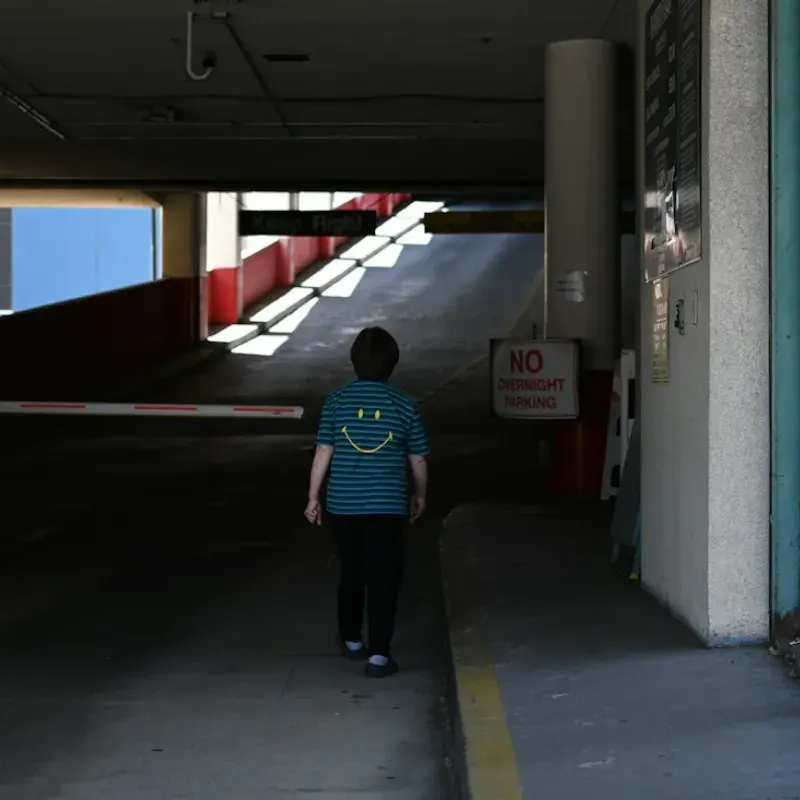
Motion at the fence
A camera on the north fence line picks up movement. Nothing has been decided yet. This is one of thousands of motion events a site can produce in a night.
- Layer 1
The camera checks size and time
Onboard processing compares the object to baseline thresholds for object size and loiter time. A blowing bag or a passing car would stop here. This object is person-sized and it is staying put.
- Layer 2
The data center rules out noise
A second filter looks for the usual false positives: light flicker, rain, snow and wind-driven debris. None apply. The event moves on.
- Layer 3
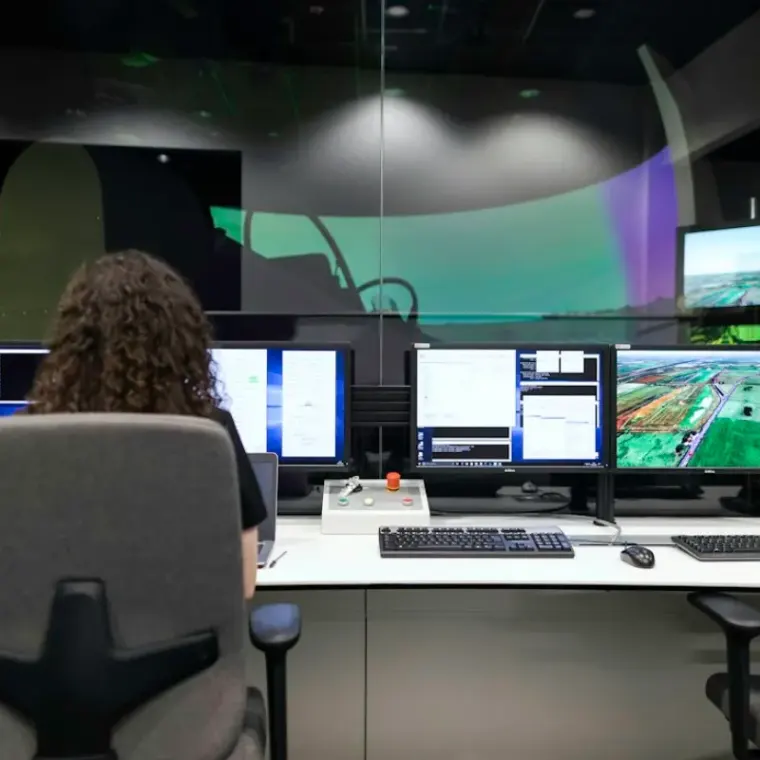
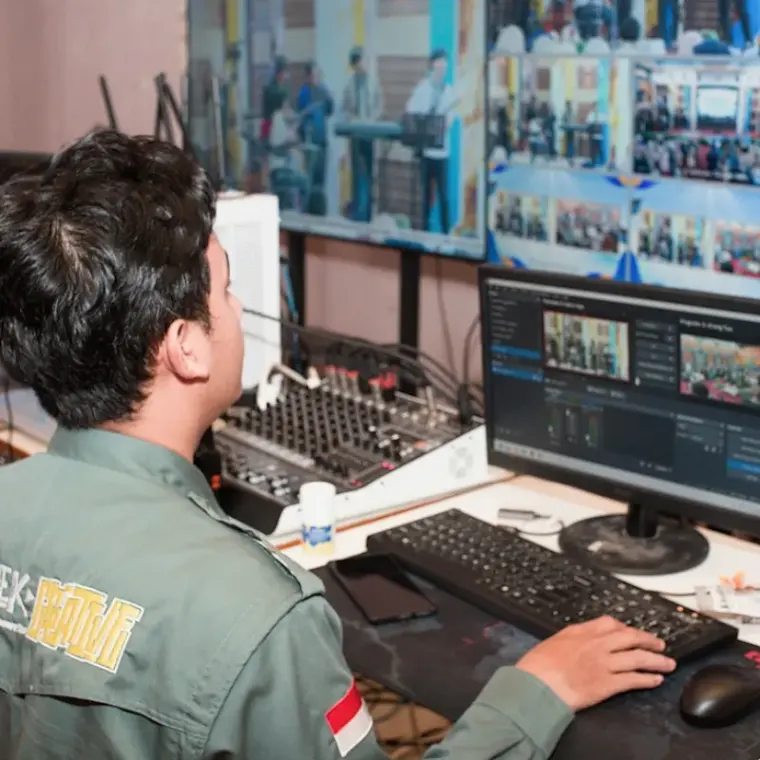
An operator looks at live video
A trained monitor sees the event with AI-assisted analysis. They check the time, the location and your approved access profile. Nobody is cleared to be on site at this hour.
- Response
A voice on site
The operator speaks through the on-site speaker and tells the person they are on camera and being watched. This is often where it ends. Most people leave when a live voice addresses them.
- Escalation
Your call list, in your order
If the person stays, the operator follows your protocol: a call to your site contact, law enforcement notification or both. You defined the path in advance.
- Logged
A record you can use
The event, the video and every action the operator took are documented. In the morning you have a report, not a mystery.
What did not happen
Notice what is missing from that timeline. Nobody at your company was woken up to look at a blurry clip and guess. No alert sat unread until morning. Nothing was reviewed the next day.
VDS puts it this way: we do not review footage the following morning. We act while it is happening.
The same night, the quiet version
On the same night the cameras also saw wind move a tarp, a cat cross the yard and headlights sweep the lot. Each of those stopped at Layer 1 or Layer 2. No operator time was spent on them, and your phone did not ring.
What you set up in advance
The response is only as good as the protocol behind it. Before monitoring starts you decide:
- Who is approved to be on site, and when
- Which vendors come after hours
- Who gets called first, second and third
- When police are notified
- How sensitive monitoring should be after hours
When your operation changes, the protocol changes with it.