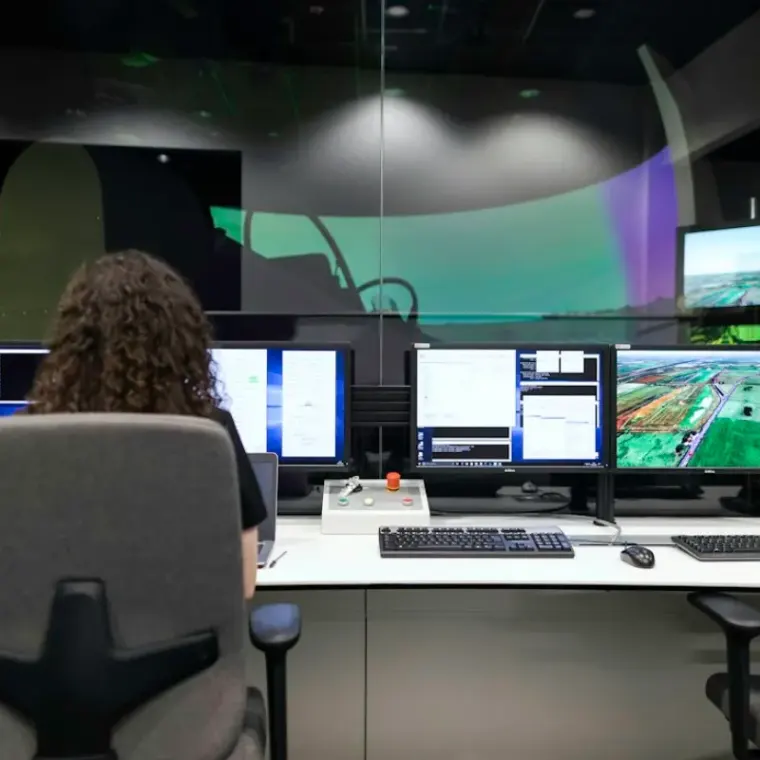
Video monitoring and security cameras for storage units
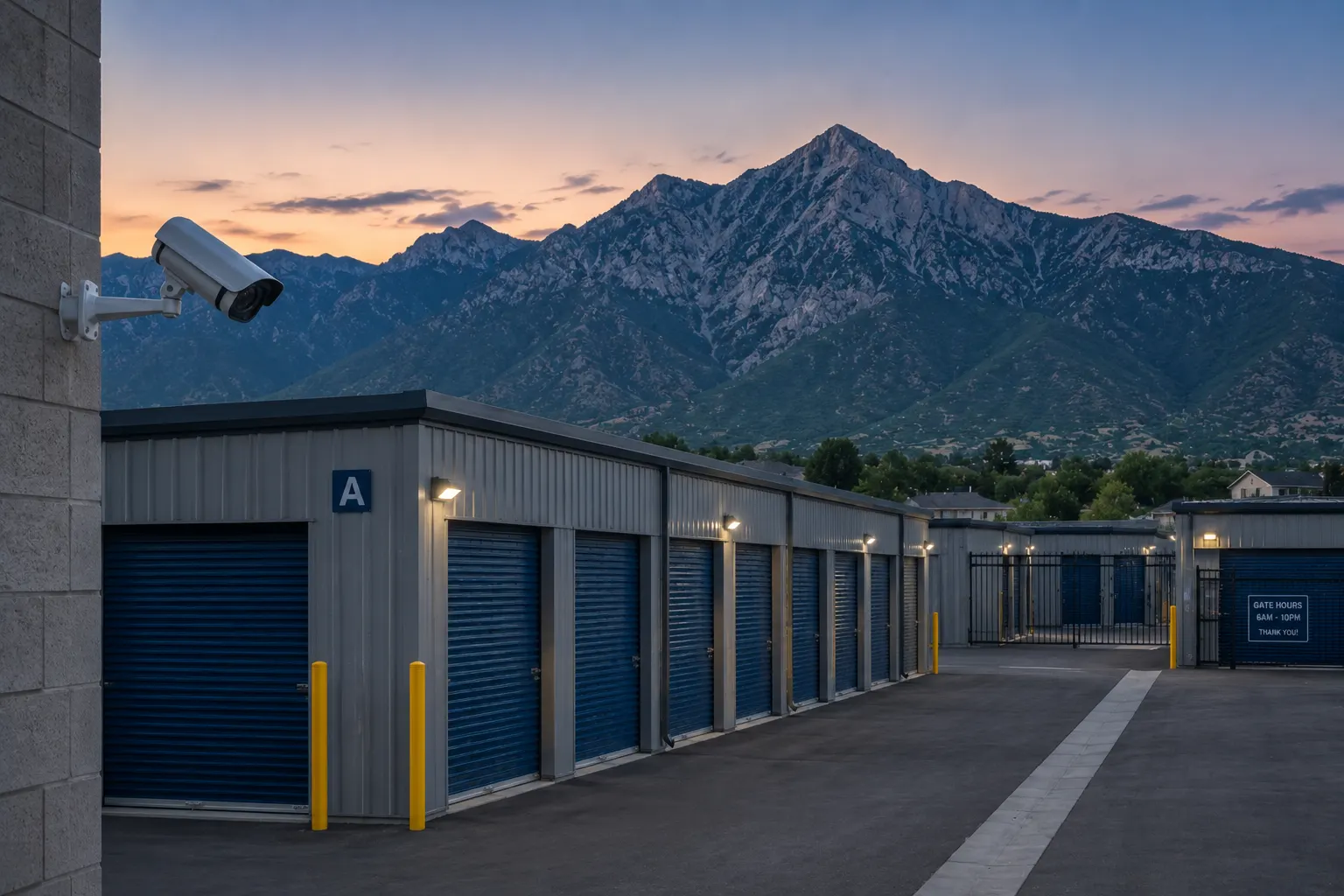
Most storage facilities have cameras. Most of them record to a hard drive that gets reviewed days after a tenant reports a break-in. VDS pairs your cameras with a live team that watches in real time.
- Live monitoring
- Existing cameras
- Tenant activity filtered
Secondsis all it takes to cut a lock once someone is inside the gate
The storage security problem no one wants to admit
Storage facilities are large, lightly staffed, open to tenants at extended hours and full of property that draws repeat criminal attention. Wide-open layouts and many access points make them hard to secure with cameras alone.
Fencing, gate keypads and recorded CCTV limit access but do almost nothing to stop a determined person once they are inside. Someone moving quietly through a row of units after hours can damage many tenants before anyone knows it is happening.
The gap between having cameras and being actively protected is where most storage security falls short.
What VDS covers at self storage
- 01
Lock cutting and forced entry
Operators watch for the activity patterns of unauthorized access, not tenants picking up boxes.
- 02
After-hours intruders
Defined access windows and after-hours sensitivity thresholds are set in your protocol.
- 03
Tenant disputes and liability
A verifiable monitoring and event log supports claim defense in a tenant dispute or liability action.
- 04
Insurance questions
Many commercial insurers view documented active monitoring more favorably than passive recorded CCTV.
Built to fit how your operation runs
We do not apply a standard script to your property and call it done.
Live human monitoring
Every event that clears our filters reaches a trained monitor who acts on your protocol while the incident is still occurring.
No event limits
Many services cap the events they process each month. VDS does not. A site in a high-theft period gets the same attention on every event, whatever the volume.
Works with your existing cameras
Compatible with approximately 90% of ONVIF cameras. We assess your hardware and advise where a camera should be added.
Protocols built for your facility
Access hours, approved personnel and vendors, and escalation paths that reflect how you operate.
How an event reaches a person
A busy site creates noise. Our three-layer detection architecture is designed to work cleanly in environments like yours.
- Layer 1
Edge intelligence at the camera
Each camera carries onboard processing with baseline thresholds for object size and loiter time. Events that do not meet the minimum never get sent forward.
Filters: wildlife, blowing materials, vehicle pass-bys
- Layer 2
Data center filtering
Our data center removes 99.99% of nuisance alarms, including light flicker, rain, snow and wind-driven debris, without discarding a real event.
Filters: headlight flicker, weather, ambient motion
- Layer 3
Human and AI hybrid reasoning
Events that are not clearly resolved reach a trained operator using AI-assisted analysis. A real person, not an algorithm, makes the final call on every threat.
Decides: who is on site, what they are doing, what happens next
Solutions self storage use most

A real person, not an algorithm, makes the final call on every threat.
When they sign a lease, they expect that someone is watching. With VDS, someone is.
Self storage: common questions
Answers to what operators ask most before choosing a monitoring partner.
Something else? Ask our team or call 1-888-324-2999.
What makes VDS different from a standard CCTV setup?
Active human monitoring. Standard CCTV stores footage for later review. VDS detects events in real time, routes them through automated filtering and delivers them to a live monitor who can intervene during an incident.
Does VDS replace my existing cameras?
In most cases we can integrate with your existing hardware. Our platform is compatible with approximately 90% of ONVIF protocol cameras.
How does monitoring handle the high volume of legitimate tenant activity?
Edge-level thresholds filter routine movement. Data center processing removes weather, light flicker and ambient triggers. What reaches a live monitor has already been reduced to events that warrant human evaluation.
What happens when your monitors detect a real threat at my facility?
Your site protocol determines the response. Options include a verbal deterrent through on-site speakers, an alert to a designated facility contact or coordination with law enforcement. All events and responses are logged.
How does active monitoring affect my facility's insurance?
Many commercial insurers view documented active monitoring more favorably than passive recorded CCTV. We recommend discussing the specific impact with your insurance provider.
Reading for self storage
Your tenants trust you with what matters to them
Contact VDS to schedule a site assessment and see how monitoring can be fitted to your property.